
Testicular Biopsy
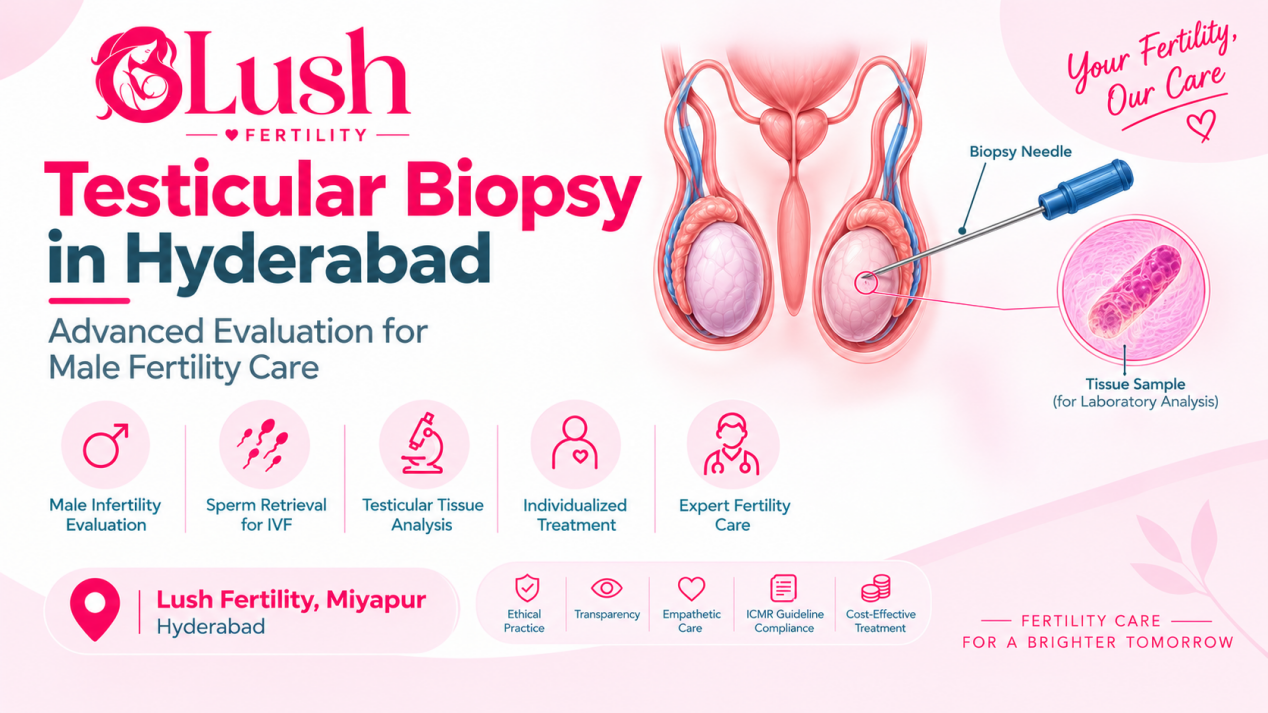
Testicular Biopsy in Miyapur, Hyderabad
Understanding Testicular Biopsy
A testicular biopsy is a procedure in which a small sample of testicular tissue is collected for examination. It may be used to evaluate sperm production or, in selected cases, as part of surgical sperm retrieval for men with azoospermia. The procedure is recommended only after appropriate fertility evaluation and depends on the individual’s medical condition.
When Is Testicular Biopsy Recommended?
A testicular biopsy for male infertility may be considered when doctors need more information about sperm production or when sperm needs to be retrieved directly from the testicle.
It may be considered in situations such as:
- Azoospermia, where no sperm is found in the semen
- Suspected problems with sperm production
- Selected cases of non-obstructive azoospermia
- Evaluation of testicular tissue
- Testicular sperm retrieval for assisted reproductive treatment
- Selected cases where testicular tissue examination is clinically required
A detailed evaluation, including semen analysis, hormonal testing and other investigations when appropriate, is generally performed before considering the procedure.
Testicular Biopsy and Male Infertility
In some men with infertility, sperm may not be present in the semen even though sperm production may occur within the testicles. In these situations, testicular sperm extraction (TESE) or microdissection TESE (micro-TESE) may be considered to retrieve sperm directly from testicular tissue.
For men with non-obstructive azoospermia, current guidelines commonly recommend micro-TESE when surgical sperm retrieval is appropriate.
How Is a Testicular Biopsy Performed?
The exact technique depends on the reason for the procedure and the patient’s fertility evaluation.
Generally, the process may include:
- Fertility Evaluation – Medical history, semen analysis and relevant tests are reviewed.
- Procedure Planning – The fertility specialist determines whether a diagnostic biopsy, TESE or another sperm-retrieval technique is appropriate.
- Tissue Collection – A small amount of testicular tissue is obtained using the selected surgical technique.
- Laboratory Examination – The tissue may be examined for sperm production and/or histological findings.
- Sperm Processing – When the procedure is performed for sperm retrieval, the laboratory looks for viable sperm that may be used for assisted reproductive procedures.
- Cryopreservation – Retrieved sperm may be frozen for future use when clinically appropriate.
Testicular Biopsy for Sperm Retrieval
When sperm cannot be obtained through ejaculation, testicular sperm retrieval may provide another option for selected patients.
TESE involves obtaining testicular tissue to search for sperm. Micro-TESE uses an operating microscope to identify areas of the testicle that are more likely to contain sperm while limiting the amount of tissue removed.
The choice between conventional TESE, micro-TESE, TESA or other sperm-retrieval techniques depends on the underlying cause of azoospermia and the individual’s testicular and reproductive assessment.
Testicular Biopsy for Non-Obstructive Azoospermia
Non-obstructive azoospermia (NOA) occurs when sperm is absent from the semen because of impaired sperm production rather than a blockage in the reproductive tract.
In selected NOA patients, microdissection TESE can be used to search for sperm within the testicular tissue. The decision requires a comprehensive evaluation before surgery.
What Can Testicular Biopsy Tell Us?
Depending on the reason for the procedure, testicular tissue examination may provide information about:
- Sperm production within the testicles
- Patterns of impaired spermatogenesis
- Certain causes associated with male infertility
- The presence or absence of sperm in the collected tissue
- Testicular tissue abnormalities requiring further evaluation
A biopsy result is interpreted together with the patient’s semen analysis, hormone levels, medical history and other investigations.
Recovery After Testicular Biopsy
Recovery depends on the type of procedure performed and the individual’s health. Mild discomfort, swelling or bruising can occur after a surgical sperm-retrieval procedure. Your fertility specialist will provide specific instructions regarding wound care, physical activity, medications and follow-up.
Contact your doctor if you experience severe pain, increasing swelling, significant bleeding, fever or other unexpected symptoms after the procedure.
Why Choose Lush Fertility for Testicular Biopsy?
At Lush Fertility, patients can undergo a structured evaluation for male infertility before a decision is made about testicular biopsy or sperm retrieval. The recommended approach depends on the cause of infertility, testicular function, previous fertility investigations and the couple’s reproductive plan.
A fertility specialist can explain the available options, expected benefits, possible risks and whether TESE or micro-TESE may be appropriate.
Take the Next Step
If you have been diagnosed with azoospermia, severe male-factor infertility or difficulty obtaining sperm through conventional methods, a fertility consultation can help identify the next appropriate step.
Speak with a fertility specialist at Lush Fertility to understand whether testicular biopsy or surgical sperm retrieval may be suitable for you.
FAQs
1. What is a testicular biopsy?
A testicular biopsy involves collecting a small sample of testicular tissue for examination and, in selected cases, sperm retrieval.
2. Is testicular biopsy used for male infertility?
Yes. It may be used in selected male-infertility cases, particularly when sperm production or direct sperm retrieval needs to be evaluated.
3. What is the difference between TESE and micro-TESE?
TESE involves removing testicular tissue to search for sperm. Micro-TESE uses an operating microscope to identify testicular areas more likely to contain sperm.
4. Is testicular biopsy painful?
The procedure is performed with appropriate anaesthesia. Some discomfort, swelling or bruising may occur during recovery.
5. Can sperm retrieved through testicular biopsy be used for IVF?
Retrieved sperm may be used for assisted reproductive procedures such as ICSI when suitable sperm are found and the fertility team considers it appropriate.
Advantages that truly benefits you.
Class 10,000 state-of-the-Art IVF Lab

High success rates in IVF (40-60%)

Evidence based Practice

Advanced IVF lab equipment
Follows ICMR Guidelines Strictly

Transparency in Treatments

Ethical Practice Guidelines

Cost Effective Treatments
Individualised treatment

Empathetic
Approach
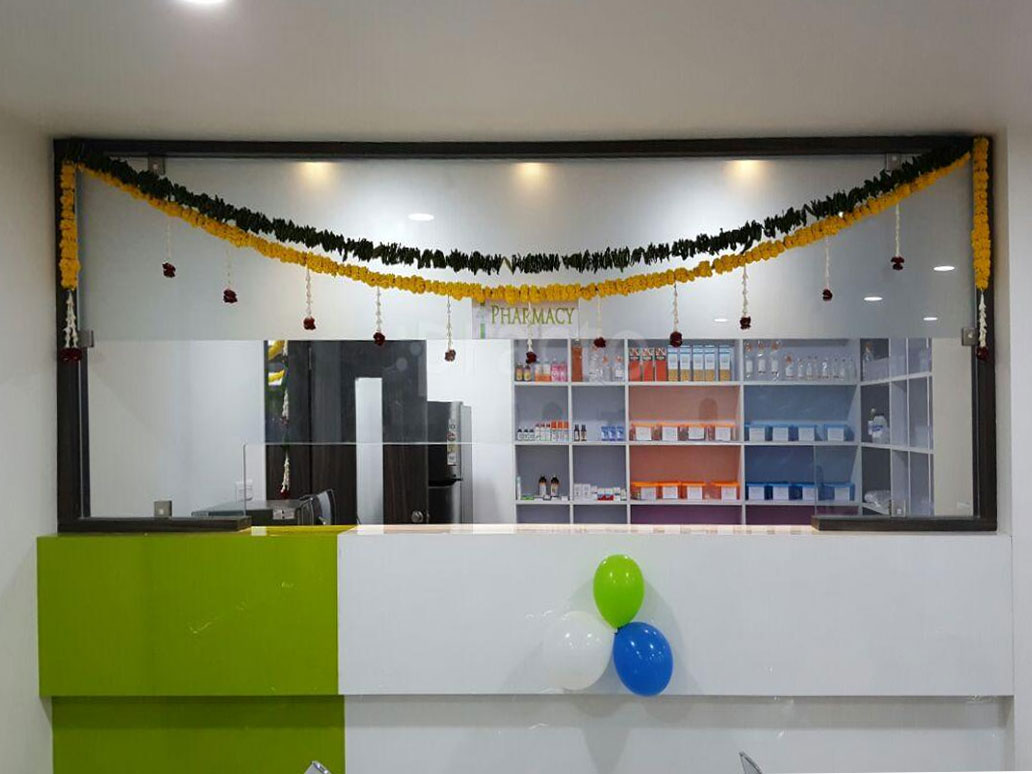

Miyapur, Hyderabad.
Lush Fertility, 3rd Floor, Prime Estate, Plot Number 209, Behind Metro Bus Stop, Opp: Miyapur Metro Station, Pillar No: A/620 Mathrushri Nagar, Miyapur.